Bottom line
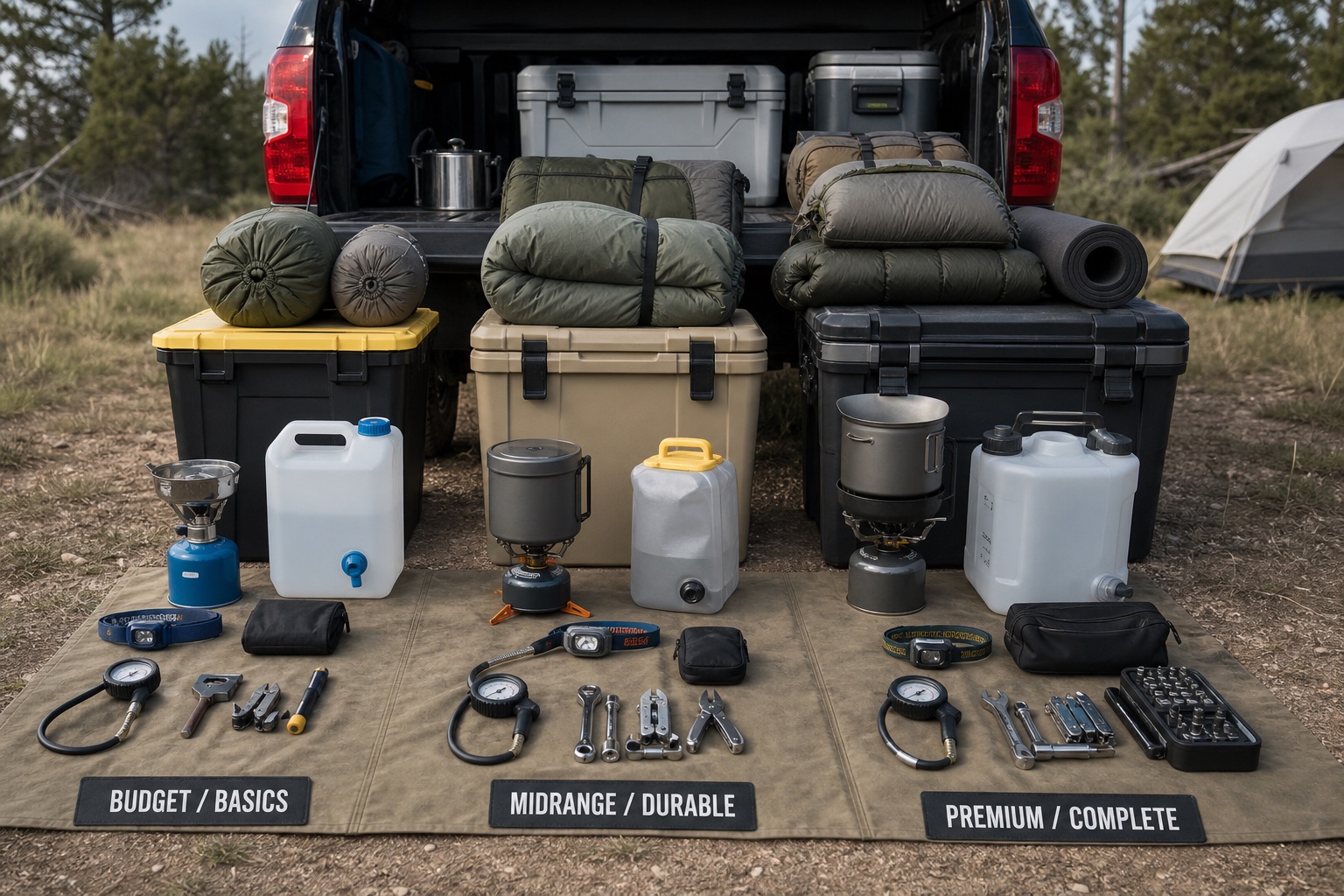
Pay for safety, weather protection, and items that are repeatedly annoying to replace. Use midrange as the default where it buys real durability, and let budget gear earn its place in low risk or occasional use categories.
Price is not the same as value
Overlanding purchases compete for the same space, payload, and budget. The useful question is not whether an item is expensive. It is whether the item gets used often, fails in a high consequence moment, or creates enough friction that it keeps you from taking a trip.
A midrange product is often the most rational choice because it avoids the fragile end of the market without paying for features built for a different level of use.
- Frequency: how often will you use it this year?
- Consequence: what happens if it fails?
- Friction: does a better version make trips meaningfully easier?
- Compatibility: does it fit your vehicle, power plan, and storage?
Spend early on safety and weather
Tires, basic recovery readiness, first aid, reliable shelter, sleep insulation, and vehicle maintenance deserve careful attention. These categories influence whether a minor inconvenience stays minor. They are not places to choose by price alone.
This does not mean every premium product is necessary. It means the choice should be supported by specifications, compatibility, repairability, and reputable support rather than appearance.
- Prioritize proven fit and warranty support for critical gear.
- Avoid buying one oversized premium item when several basic systems are still missing.
- Check weight, dimensions, and operating limits before ordering.
Save on early organization and accessories
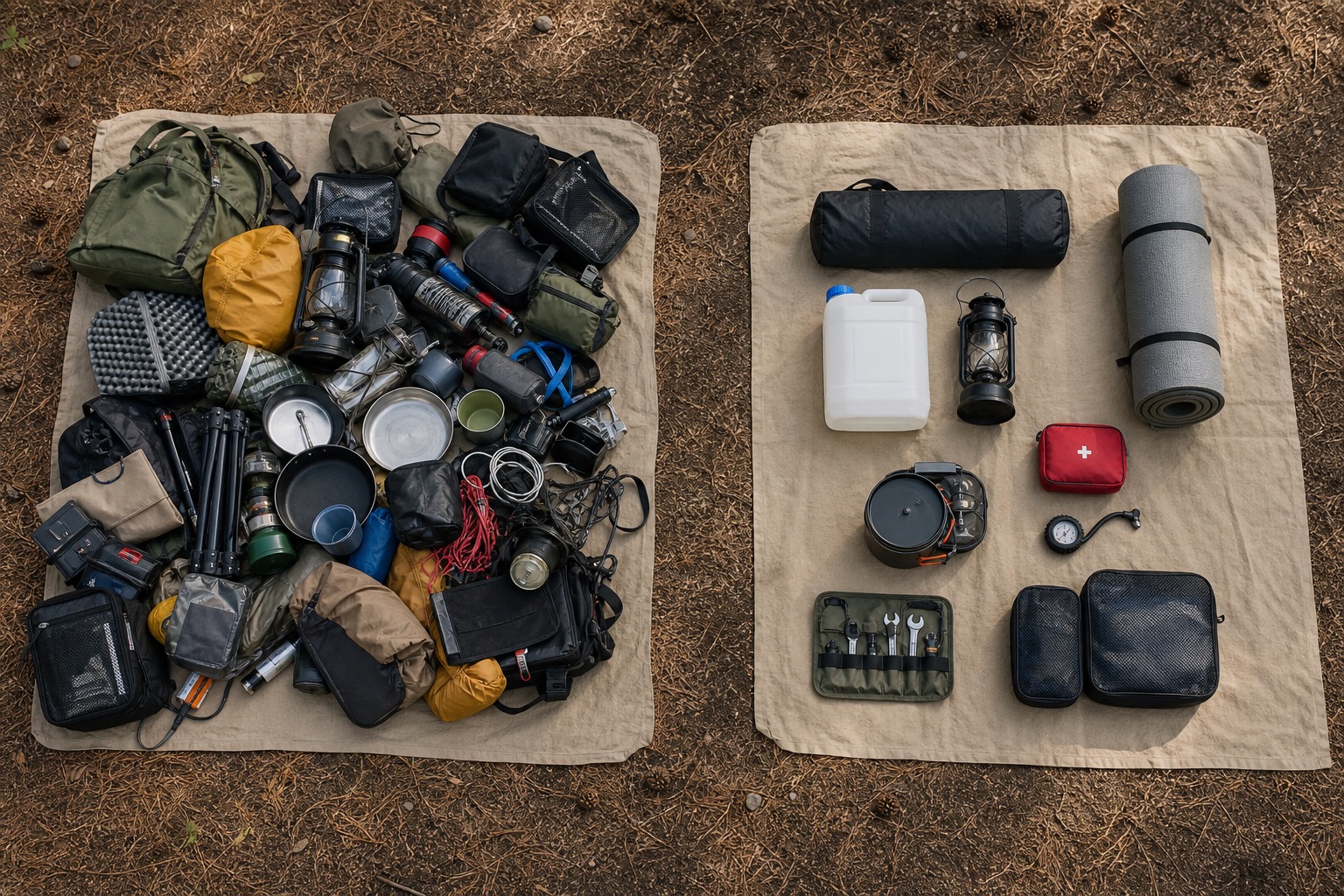
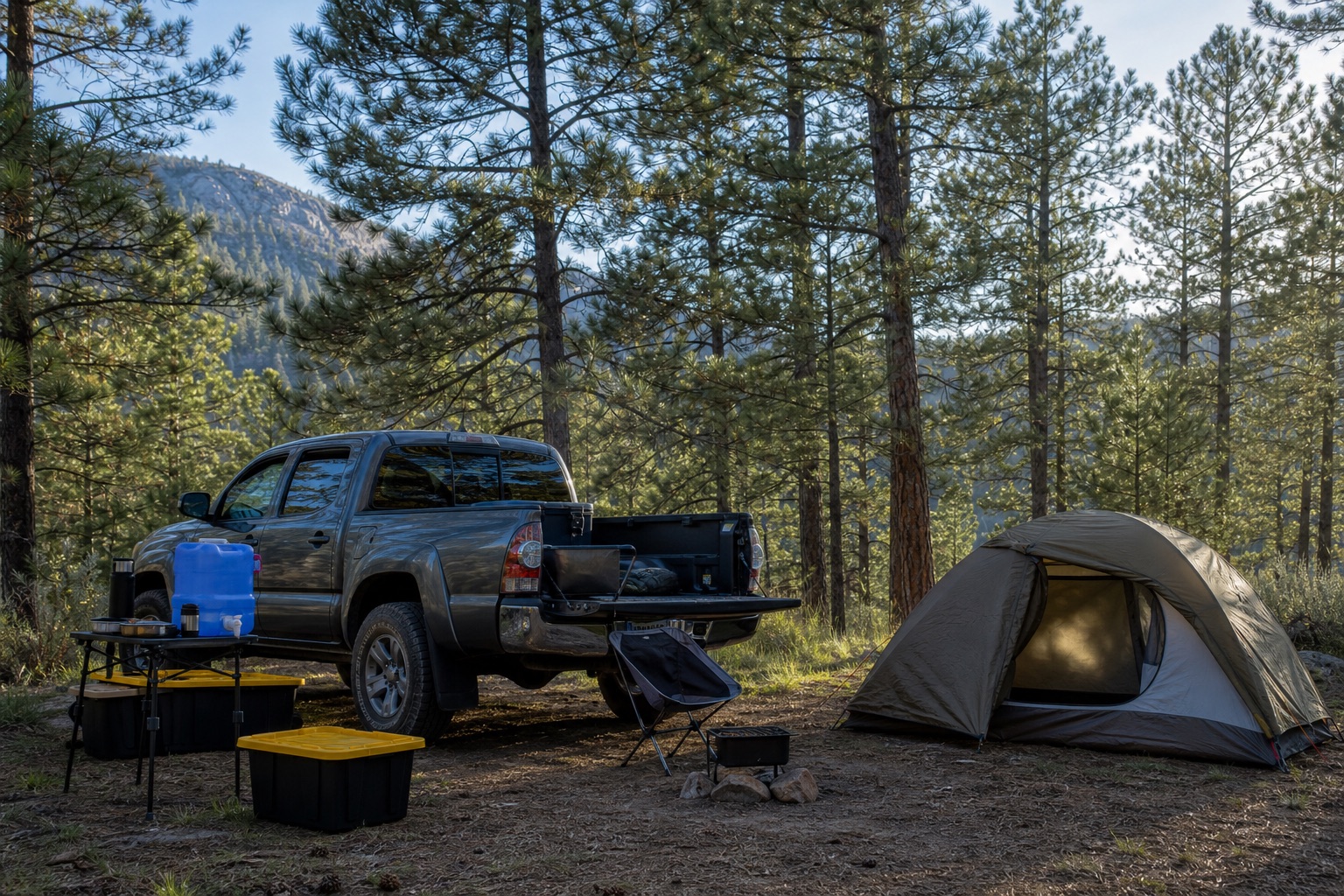
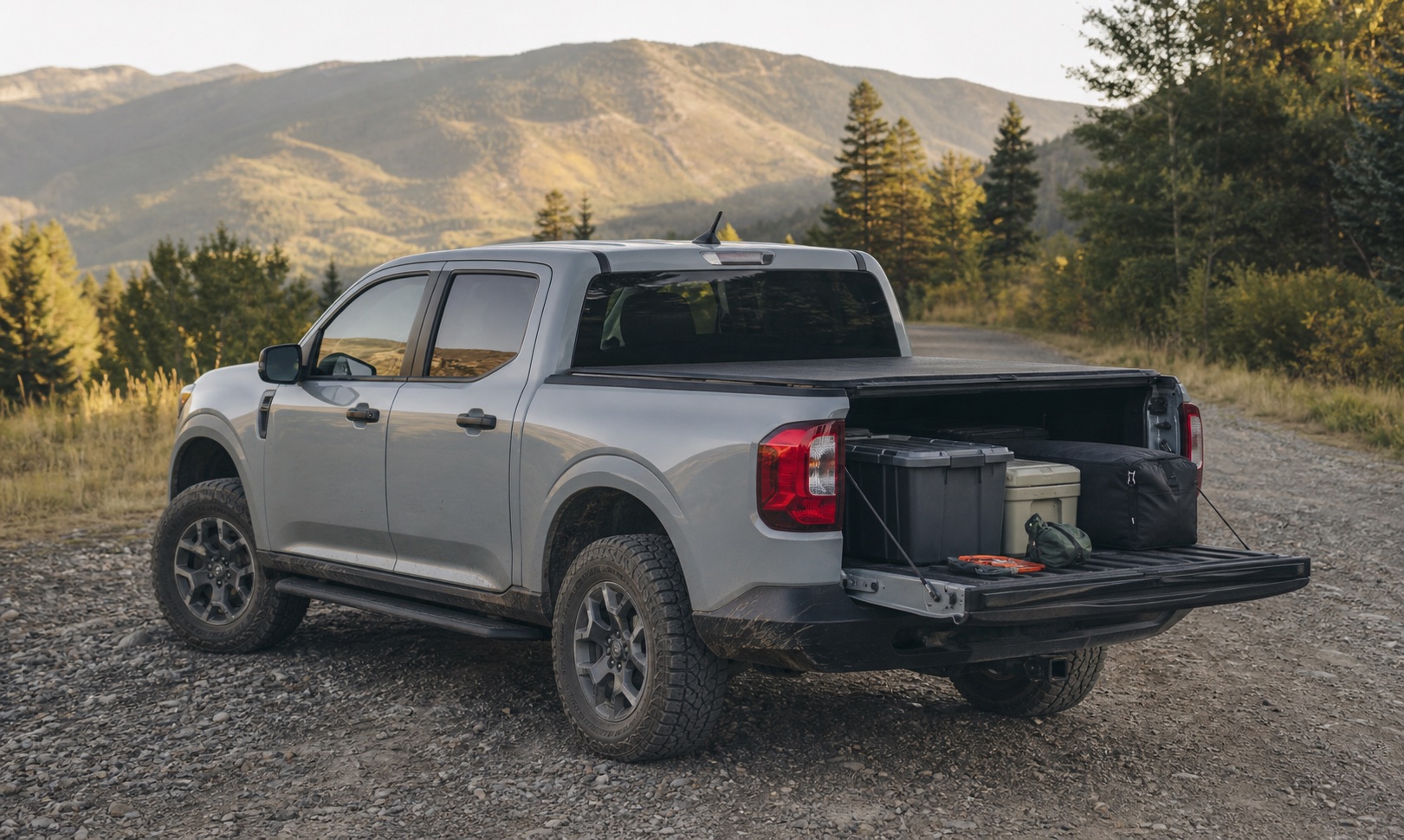
Storage bins, soft organizers, basic camp tables, cooking utensils, and simple lighting can often start inexpensive. Use them hard, identify what breaks or annoys you, and upgrade only the weak link. The same applies to many vehicle mounted accessories: temporary solutions can teach you more than a permanent installation.
Budget gear is a strong option when failure is low consequence and replacement is easy. It is not a moral failure to start with what you already own.
- Use modular bins before commissioning a drawer system.
- Borrow or rent big ticket camp gear where possible.
- Upgrade one friction point after each trip instead of rebuilding everything at once.