Bottom line
Start with tires, recovery readiness, storage, and comfort. Suspension, racks, and big ticket gear make more sense after you understand payload, trail conditions, and how you use the truck.
Set the truck’s job description
A Tacoma can be a daily driver, a camping platform, a trail vehicle, and a cargo hauler. The wrong upgrade order comes from trying to optimize all four at once. Write down the trips you actually intend to take in the next year and the items you already need to carry.
For most new owners, a reliable stock truck with good maintenance and sensible tires will cover more ground than an unfinished build with a long parts list.
- Confirm fluids, brakes, battery health, and spare tire condition.
- Know your payload before adding racks, tents, drawers, or bumpers.
- Use real trip weights instead of estimating from product photos.
First money: tires and tire management
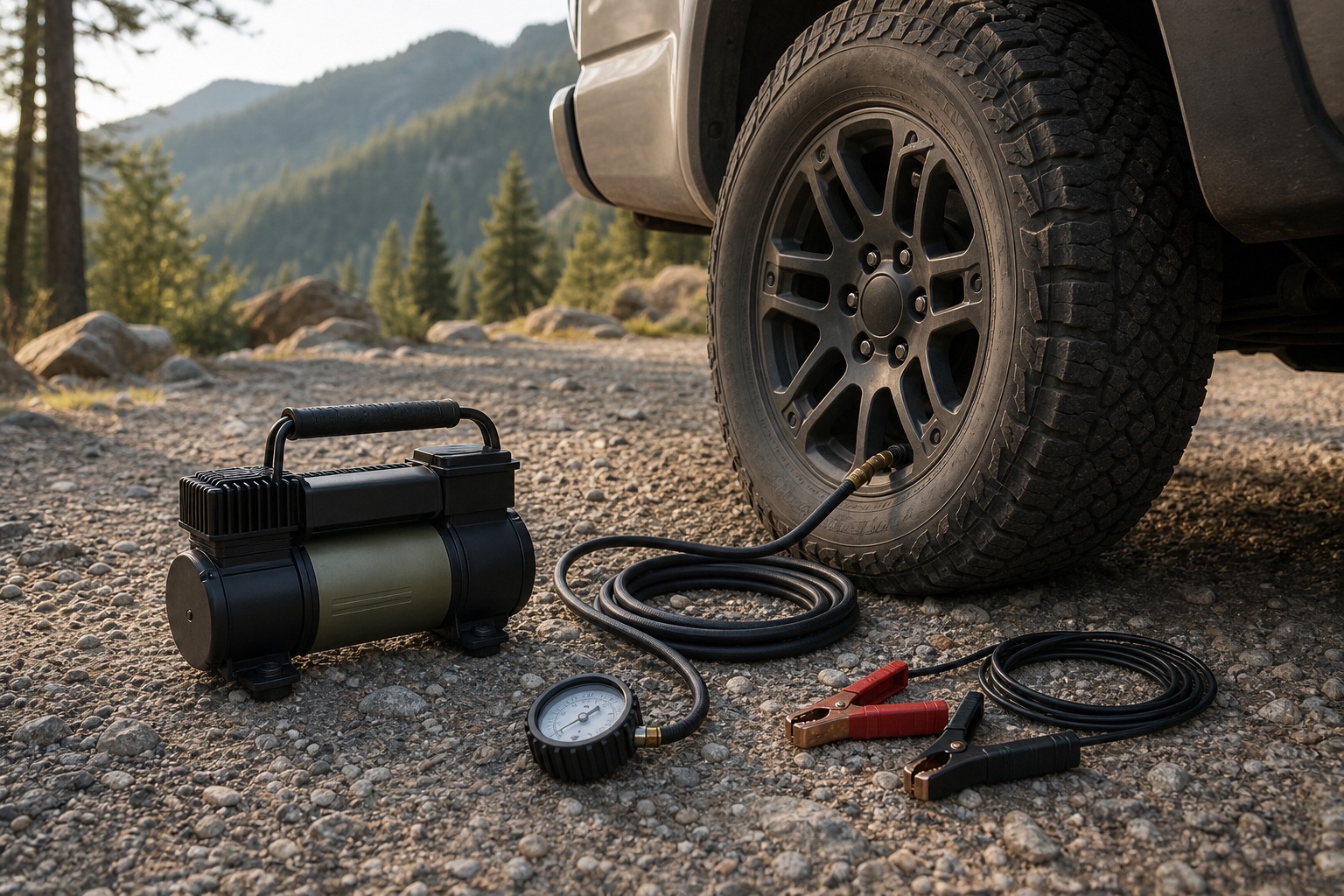
Tires affect traction, puncture resistance, comfort, noise, fuel use, and confidence. Choose a size and tread appropriate for the terrain you actually drive, then learn how to inspect and adjust pressure responsibly. A quality gauge and a way to reinflate are useful long before a lift.
Avoid treating larger tires as an automatic upgrade. They add cost, weight, and potential fitment complications. A properly maintained all terrain tire in a sensible size is often the practical middle ground.
- Carry a reliable gauge and valve tool.
- Learn your vehicle’s safe pressure range from tire and vehicle guidance.
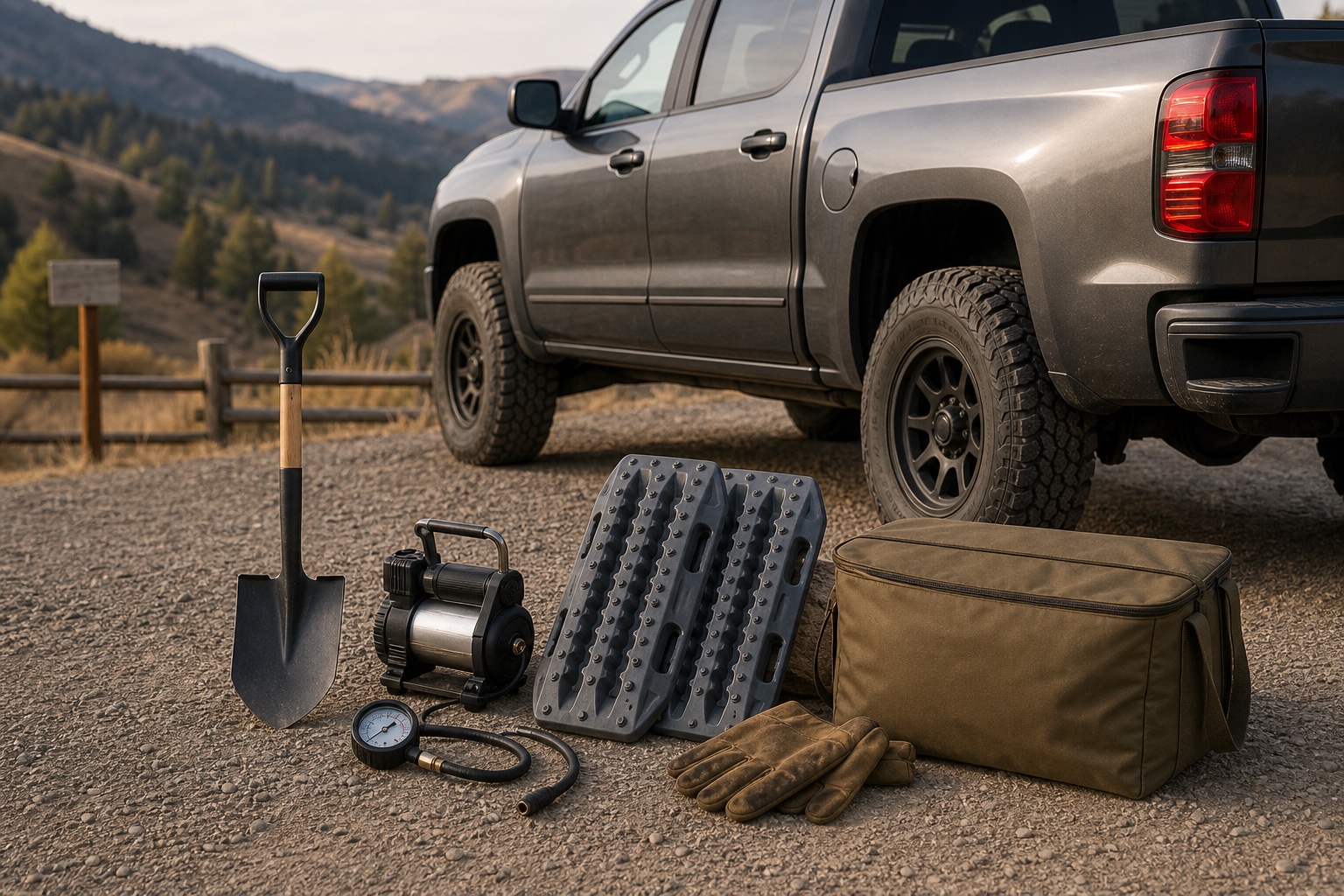
- Bring a compact compressor before relying on remote air down routines.
Second money: storage and camp comfort
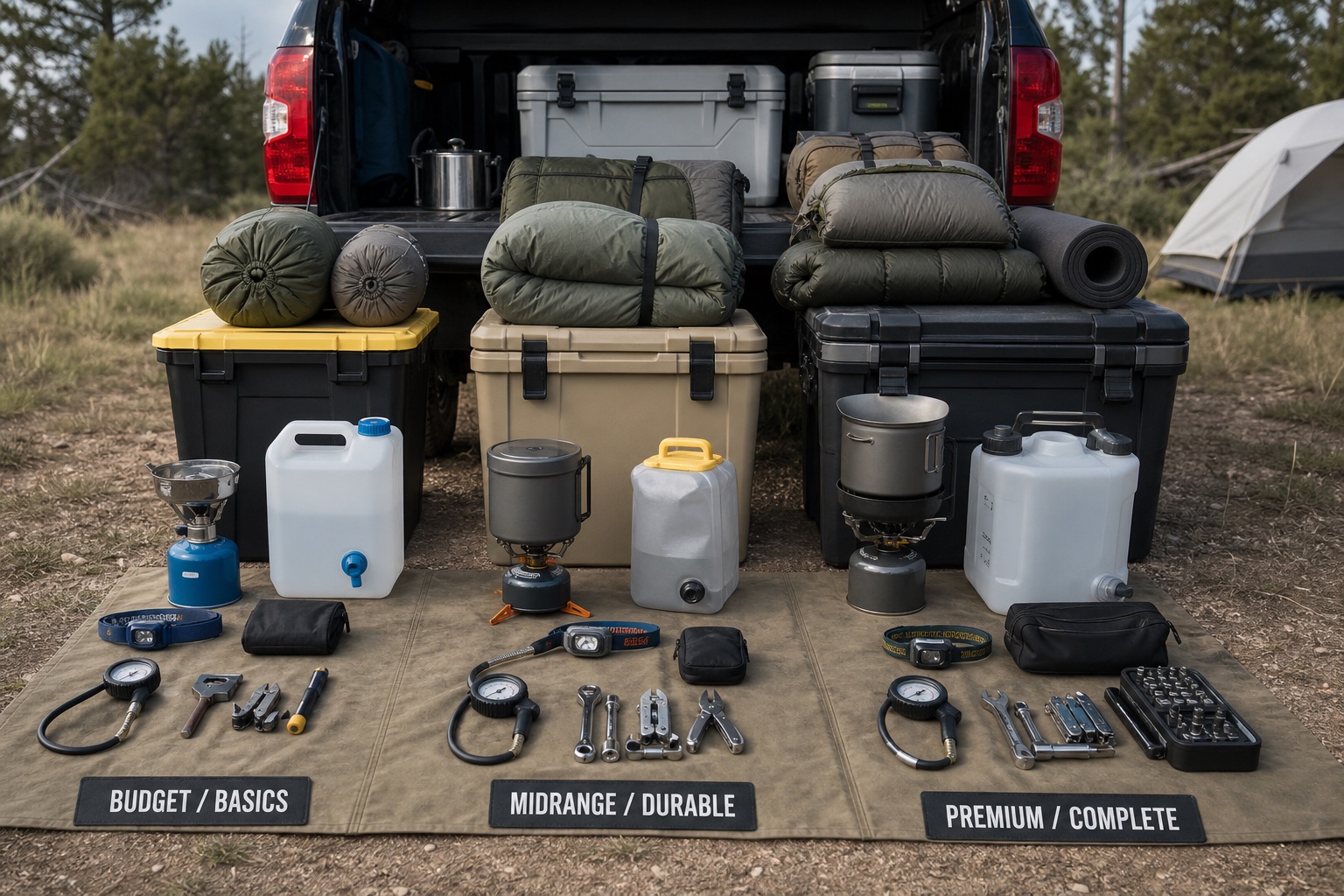
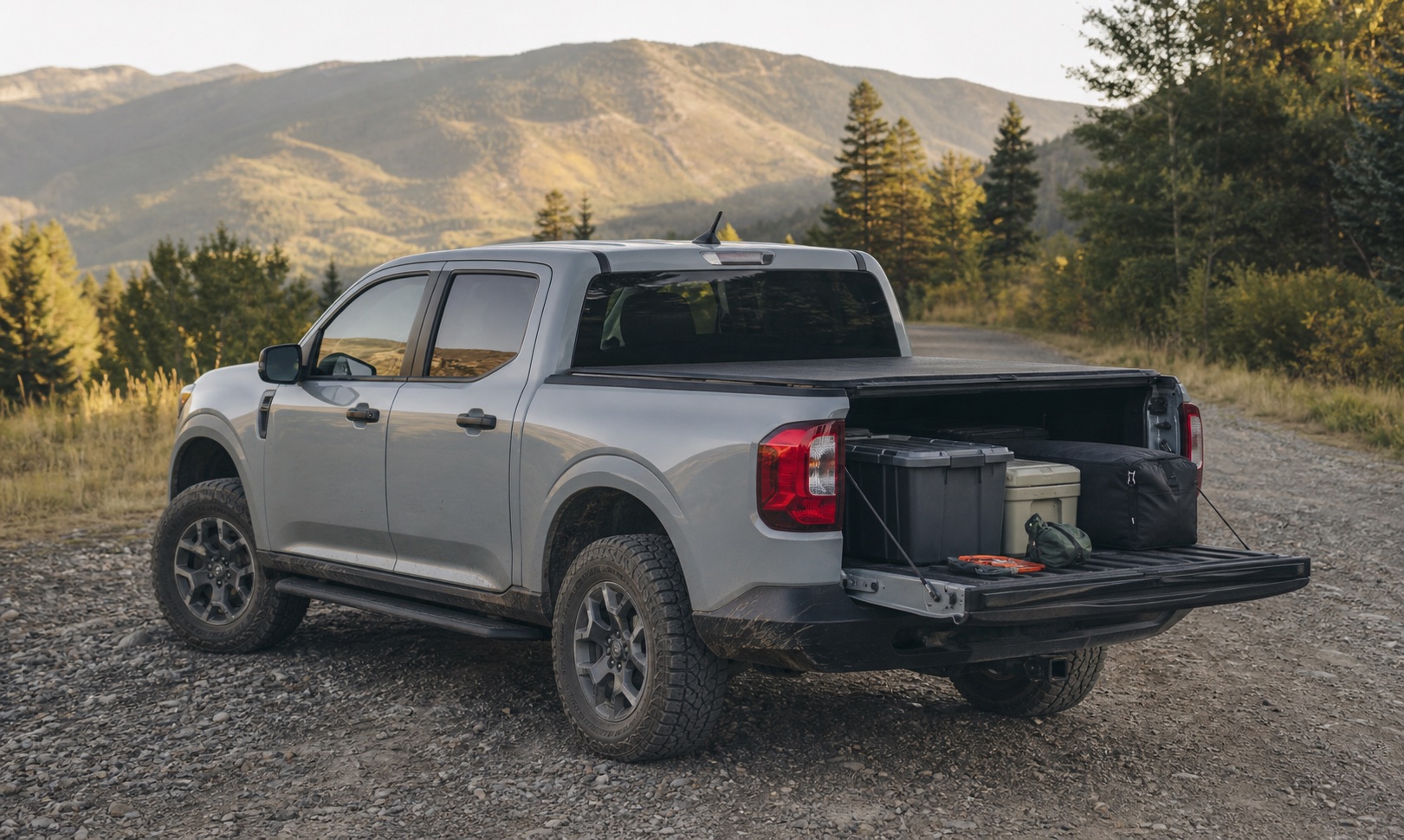
A simple bed organization system prevents loose gear from becoming a daily annoyance. Start with durable bins, tie down points, and a packing map. Once you have repeated the same layout over several trips, decide whether drawers, a topper, a bed rack, or a tonneau solution serves your use case.
Comfort matters because it increases trip frequency. A sleep setup, shade, and a dry way to cook in rough weather will probably improve your weekends more than a dramatic exterior upgrade.
- Secure heavy bins and recovery gear.
- Reserve one easy access spot for emergency and rain gear.
- Choose camp furniture that fits without defeating daily cargo use.
Upgrade later, with evidence
Suspension changes, armor, rooftop tents, auxiliary batteries, and complicated rack systems can be excellent tools. They should follow a clear need: repeated bottoming out at known loads, a documented storage problem, a consistent need to sleep above ground, or verified electrical demand.
A gradual build protects both your budget and the truck’s useful payload. Let a season of weekends make the next decision for you.
- Document what you pack and how much it weighs.
- Change one major system at a time.
- Retest braking, handling, access, and packing after every heavy addition.