Bottom line
The most expensive beginner mistake is building for an imagined trip. Start with a simple route, cover complete camp and vehicle systems, secure a modest load, and let each real weekend reveal the next useful change.
Mistake one: buying the complete build first
A polished vehicle build can make every accessory look like a prerequisite. The usual result is a large order built around an imagined routine. The rack, kitchen, power system, and storage layout may all be capable, yet they can solve problems that never appear on a normal weekend. They also consume money, space, and vehicle capacity before the traveler knows which tradeoffs matter.
The better move is to choose a simple one or two night trip and use safe camping gear you already understand. Write down the route, weather, sleep plan, food plan, water plan, and return window before opening a shopping list. The National Park Service recommends researching current destination conditions, choosing activities within your skills and comfort, creating a backup plan, and sharing the trip plan with a trusted contact. That preparation defines what the trip actually requires.
- Borrow or reuse ordinary camp gear when it fits the trip.
- Buy only the missing item that protects a complete essential function.
- Delay permanent vehicle changes until the same problem appears on several trips.
- Skip a complex first route that requires unfamiliar equipment to feel manageable.
Mistake two: packing products instead of systems
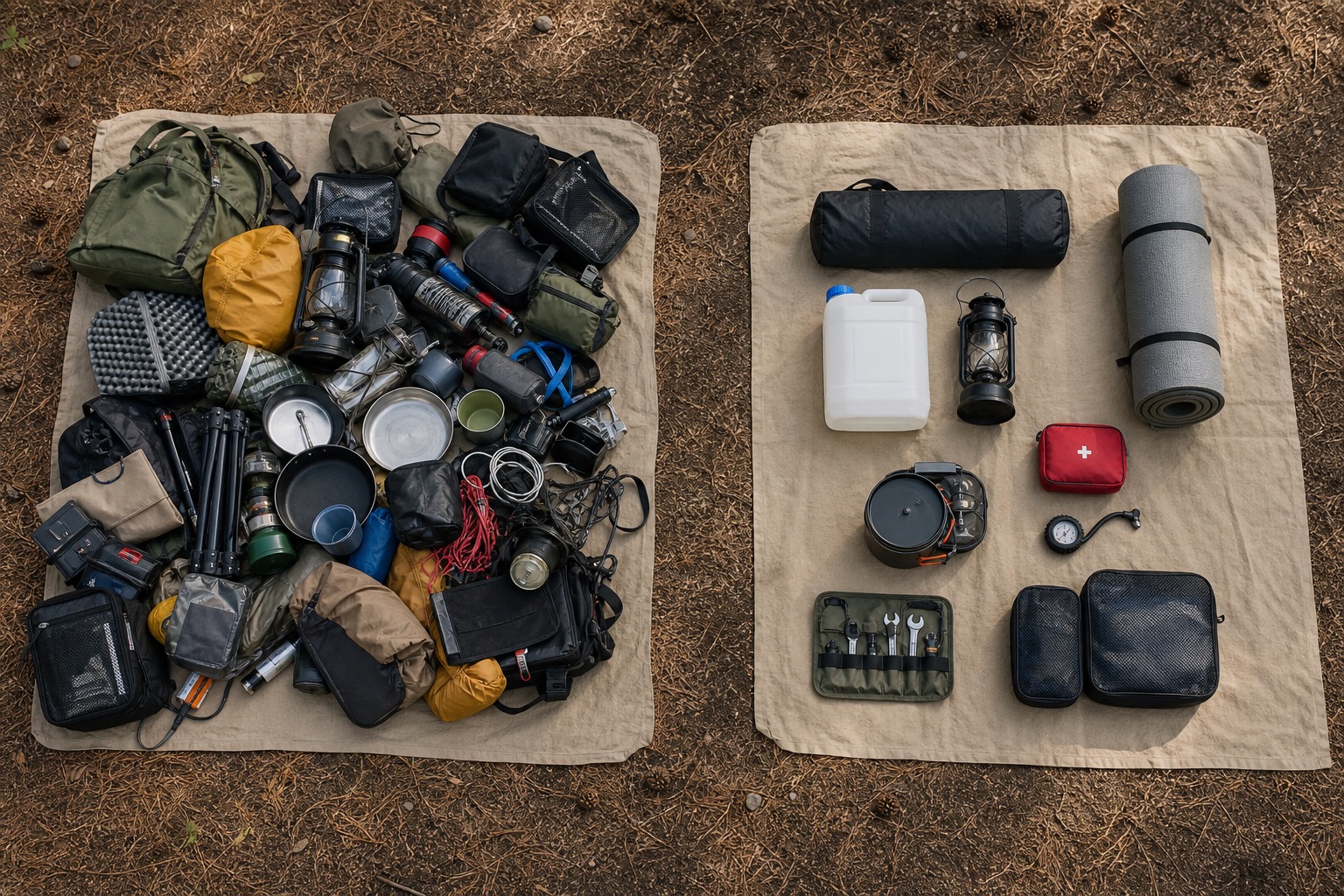
A pile of useful products can still leave a basic need unfinished. A stove without the right fuel and lighting does not create a reliable dinner plan. A tent without suitable sleep insulation does not create a comfortable night. A navigation app without an offline map, charging plan, and route notes does not create a dependable navigation system.
Replace the product list with a function check. The beginner gear checklist groups the weekend into shelter and sleep, water, food, lighting, vehicle readiness, navigation and communication, and basic first aid. Walk through the full use of each system from arrival to departure. The Park Service also advises travelers to make sure required equipment works, fits correctly, and can be used properly. Leave a specialty item home when its role is unclear or when using it would require skills you do not yet have.
- Describe the job before naming the product.
- Pack every part needed to use, store, and clean the item.
- Test unfamiliar ordinary camp equipment in a controlled setting before departure.
- Keep a backup for a function whose failure would end the trip.
Mistake three: adding weight without a load plan
Every rack, drawer, shelter, water container, battery, and recovery item becomes part of the traveling load. Choosing each piece separately hides their combined effect. A heavy permanent setup may reduce room for people, food, water, and the changing gear a particular trip needs. It can also make a daily vehicle less useful long after camp is packed away.
Use vehicle specific documentation rather than a universal payload number. List people, permanent additions, removable cargo, water, food, and anything carried outside the cabin. Weigh the loaded setup when that is the clearest way to replace estimates. NHTSA advises drivers not to carry excessive cargo, so the useful response to a crowded plan is to remove or simplify items rather than find one more place to mount them. The vehicle setup guide can help order upgrades after the real job and load are understood.
- Count permanent accessories before removable camp cargo.
- Include full containers and every passenger in the plan.
- Choose lighter or shared solutions when two items perform the same job.
- Skip the upgrade when it erases useful capacity without solving a repeated problem.
Mistake four: treating packed as organized and secured
Making everything fit is only the first half of packing. Gear must remain controlled during normal driving, sudden braking, rough surfaces, and repeated camp access. An overloaded open bed, a loose bin in the cabin, or a heavy item balanced above softer gear can turn a tidy departure photo into a poor travel system. Burying the first aid kit, rain layers, tire tools, or water creates another problem when they are needed quickly.
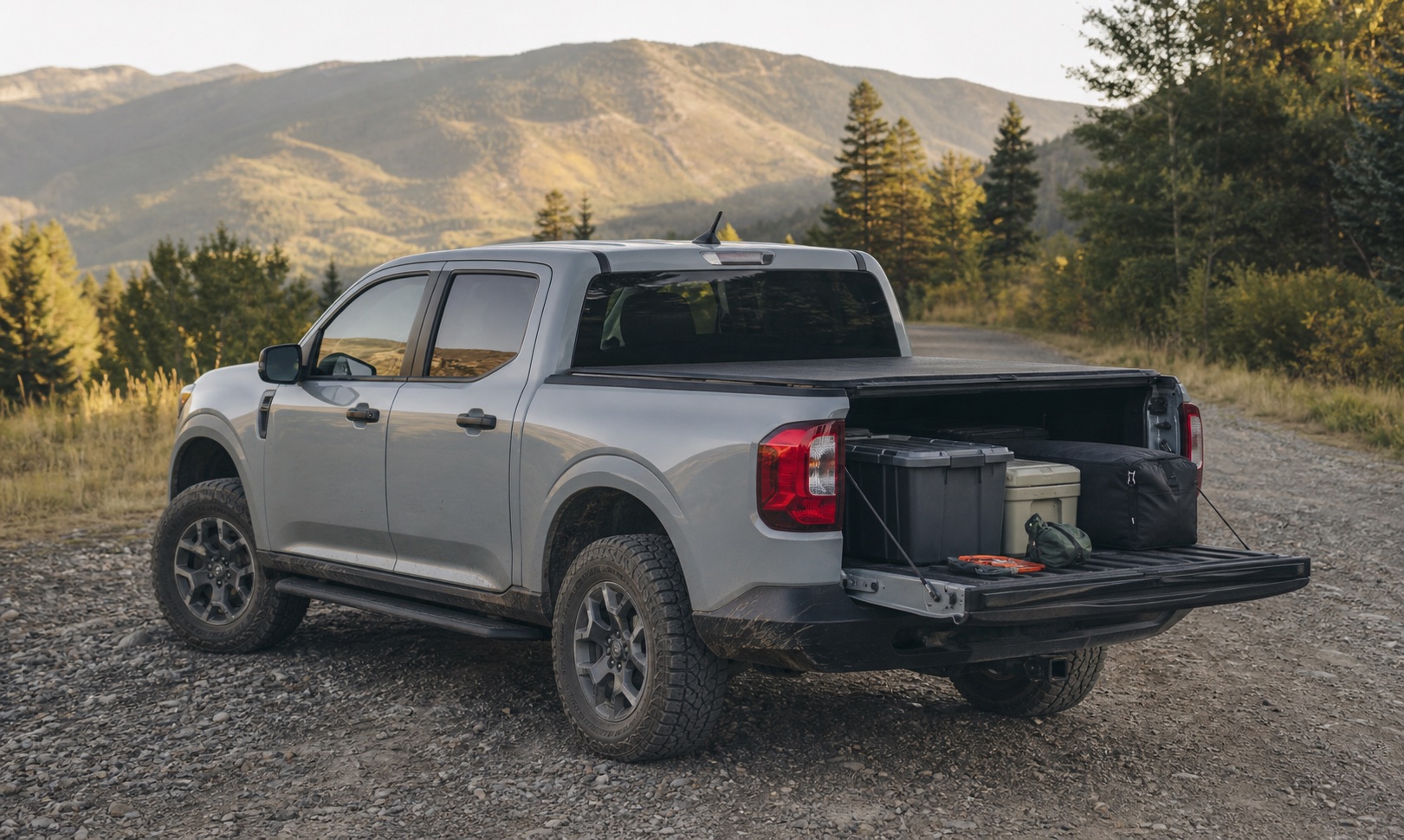
NHTSA advises securing cargo with suitable restraints and checking the load again before driving. Build a small access map as you pack. Put dense items low when the vehicle guidance and secure attachment options support that position. Keep emergency and roadside equipment reachable without unloading the whole camp. Stop after a short drive and inspect the load again, especially when soft bags or new arrangements may settle.
- Give every heavy item a defined secure position.
- Keep roadside, weather, and first aid gear available.
- Separate sharp or dirty tools from sleep and kitchen items.
- Remove cargo that cannot be restrained with the available system.
Mistake five: upgrading accessories before tires and readiness
Camp comfort matters, but visual accessories can distract from the parts already carrying the vehicle. A new lighting or storage purchase does not compensate for an ignored spare, uncertain tire pressure, missing tire tools, overdue maintenance, or equipment that no longer fits the current wheels. These basics are less exciting because the goal is for nothing dramatic to happen.
NHTSA advises checking every tire, including the spare, at least monthly when cold and finding the correct pressure on the vehicle label or in the owner manual. It also says the dashboard pressure warning does not replace those checks. Before buying another camp feature, confirm tire condition, the usable spare, the tools needed for the current wheel setup, and the vehicle maintenance required for the route. Skip a remote trip when a basic vehicle issue is unresolved.
- Read the pressure and tire guidance for the exact vehicle.
- Confirm the spare and tire changing tools before loading camp gear.
- Keep a readable gauge where it can be reached.
- Spend on unresolved readiness before optional camp convenience.
Mistake six: using gear to justify a harder route
More equipment can create a false sense that the vehicle and driver are ready for more difficult terrain. Recovery tools, navigation devices, lights, and communications all have useful roles, but none of them creates skill or changes the conditions. When a route exceeds the driver, vehicle, forecast, or training, adding another tool to the cargo is not the same as reducing the risk.
Match the trip to the least experienced driver and the limits you can explain before departure. Check current land manager alerts, weather, road information, access rules, fuel range, and the distance to help. Create an easier backup route and clear turnaround conditions. The Park Service guidance supports choosing activities within current abilities and putting the backup plan into action when conditions or readiness change. Skip the route when the plan depends on improvising with unfamiliar gear.
- Set stop conditions while the decision is still easy.
- Choose a route that leaves margin for weather and delays.
- Treat communication as a way to request help, not permission to exceed limits.
- Turn around when conditions no longer match the plan.
Mistake seven: changing everything after one trip
The first weekend will expose friction, but not every annoyance deserves a purchase. Rain, an unusual campsite, a poor packing order, or an ambitious meal can make a sound setup feel wrong once. Rebuilding several systems at once makes it hard to learn which change actually helped and may replace small problems with new weight and complexity.
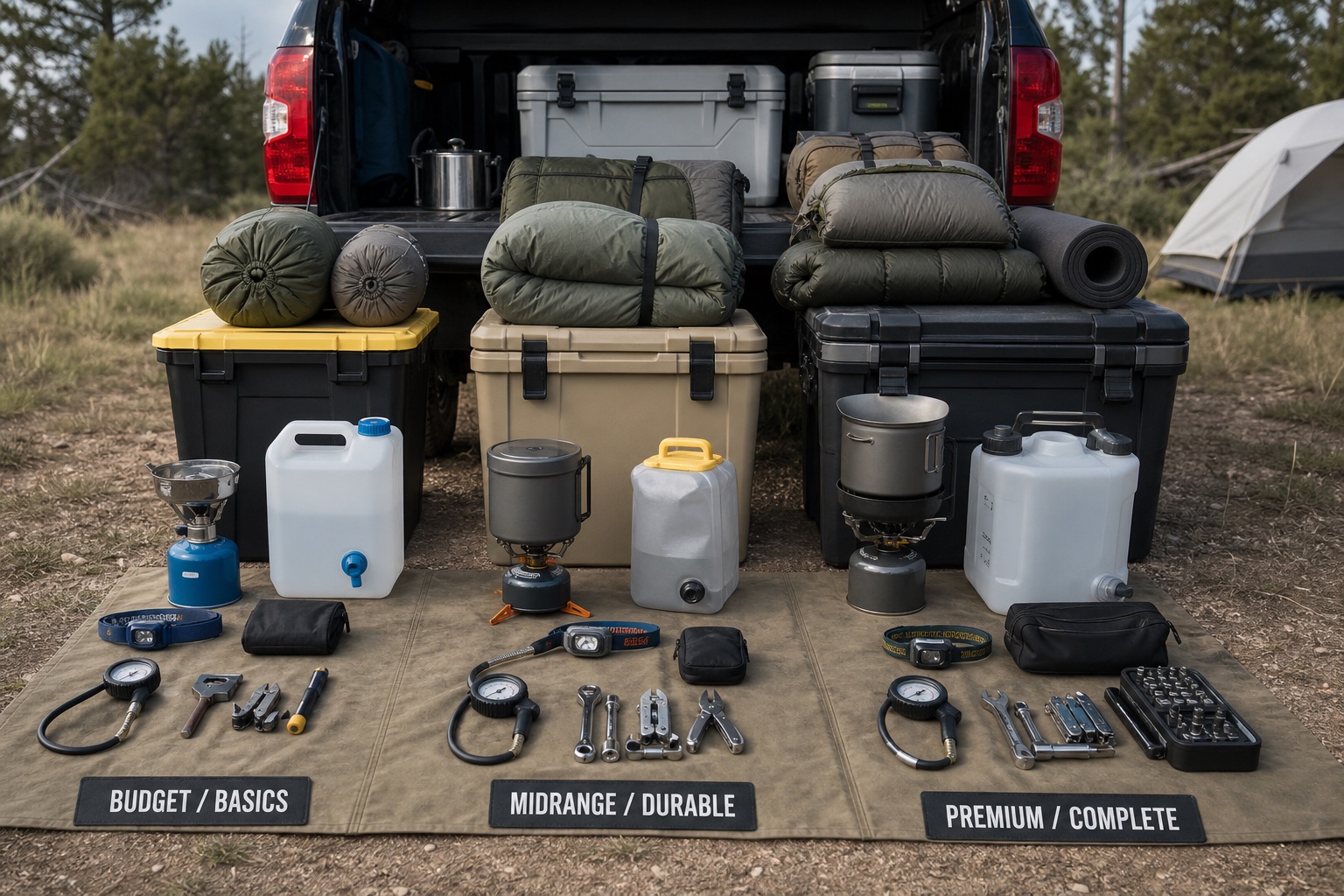
Use a short review after every trip. Record what stayed unused, what was hard to reach, what failed, what created repeated delay, and what essential function felt weak. Fix the simplest cause first. Sometimes that means moving a bin, planning an easier dinner, or removing gear rather than buying anything. When a purchase is justified, the buying strategy guide helps decide whether budget, midrange, or premium value fits the frequency and consequence of that specific job.
- Change one major system at a time.
- Remove unused items before adding storage for them.
- Separate a one trip inconvenience from a repeated pattern.
- Keep the setup modest enough that leaving for a weekend remains easy.