Bottom line
Use a standardized R value to compare pad insulation, then choose the pad that fits your platform, sleep needs, packing routine, and complete weather plan. The number is a comparison tool, not a temperature promise.
Know what the R value compares
A sleeping pad R value describes resistance to heat flow through the pad. A higher standardized value means more resistance in the laboratory comparison. That makes the number useful when two pads report results from the same method. It does not identify one guaranteed outdoor temperature, and thickness alone does not reveal how much insulation a pad provides.
ASTM F3340 22 is the active test method for camping mattress thermal resistance. It measures steady heat transfer through a mattress held under controlled compression between a warm plate and a cold plate. The scope includes air pads, reflective air pads, self inflating foam pads, and closed cell foam mats. Removable items such as sleeping bags and covers are excluded from the mattress measurement.
- Look for ASTM F3340 beside the published R value.
- Compare standardized values before comparing marketing temperature claims.
- Treat an unstated or unexplained test basis as missing information.
- Do not infer insulation from thickness, price, or vehicle enclosure alone.
Keep the laboratory number in its lane
The standard calls its result a repeatable comparative measurement. ASTM also explains that actual heat transfer can differ because of edge losses, uncovered surfaces, changing compression, and sleeping posture. Your pad position, body, shelter, clothing, bag, moisture, and weather add variables that the controlled plate test cannot reproduce as one universal result.
This is why a chart that assigns every R value a fixed outdoor temperature can offer false certainty. Use the value to rank pad insulation, then apply a conservative plan to the actual trip. Check the current forecast for the exact destination. Account for whether you tend to sleep cold, whether the platform has gaps, and whether damp gear is plausible. Keep a dry backup and an easy exit when the consequences of a poor choice rise.
- Use the R value as one input to the trip plan.
- Judge the pad with the sleeping bag, clothing, shelter, and forecast.
- Leave more margin when experience or weather information is limited.
- Change the trip rather than forcing an uncertain system into difficult conditions.
Measure the complete sleeping platform
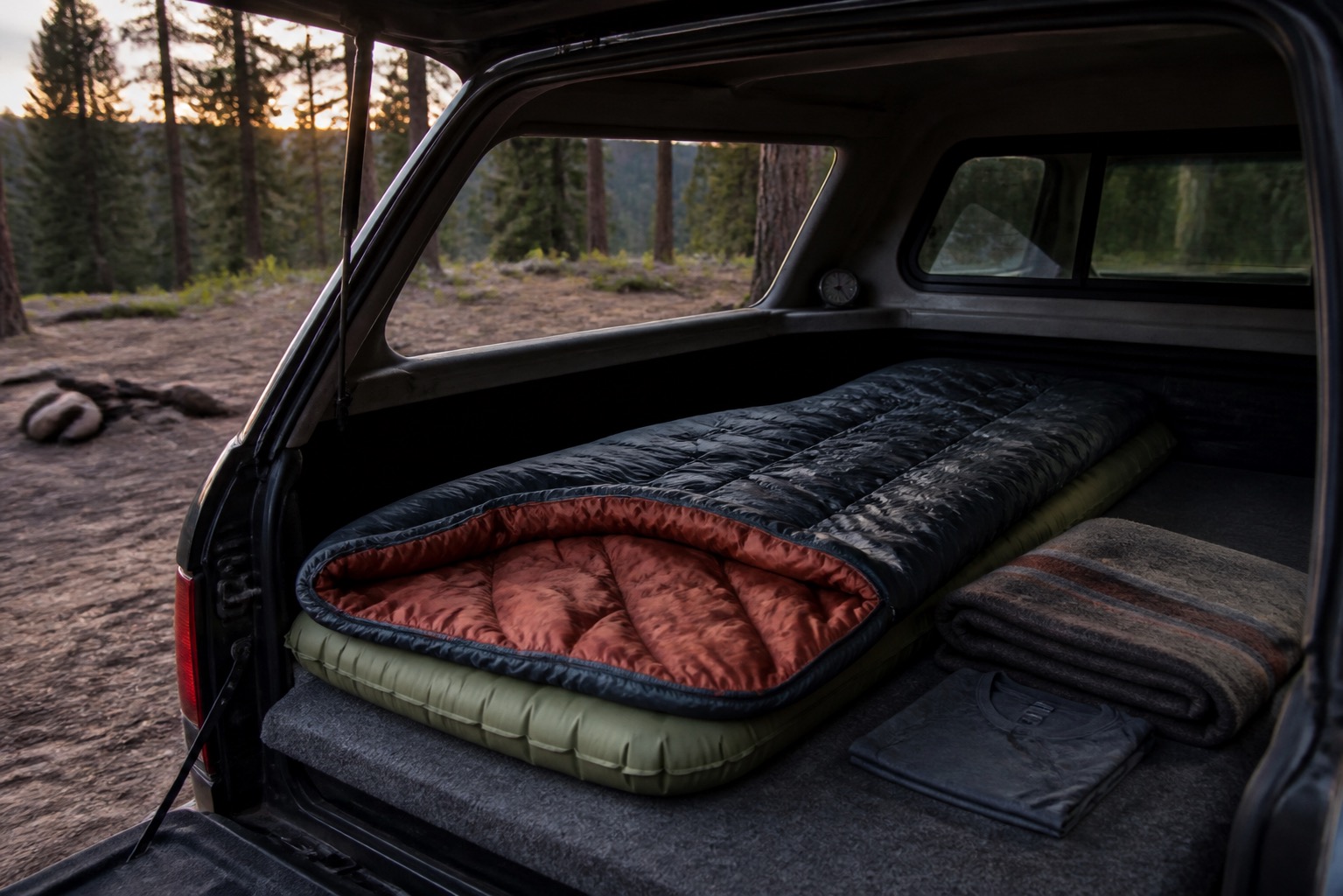
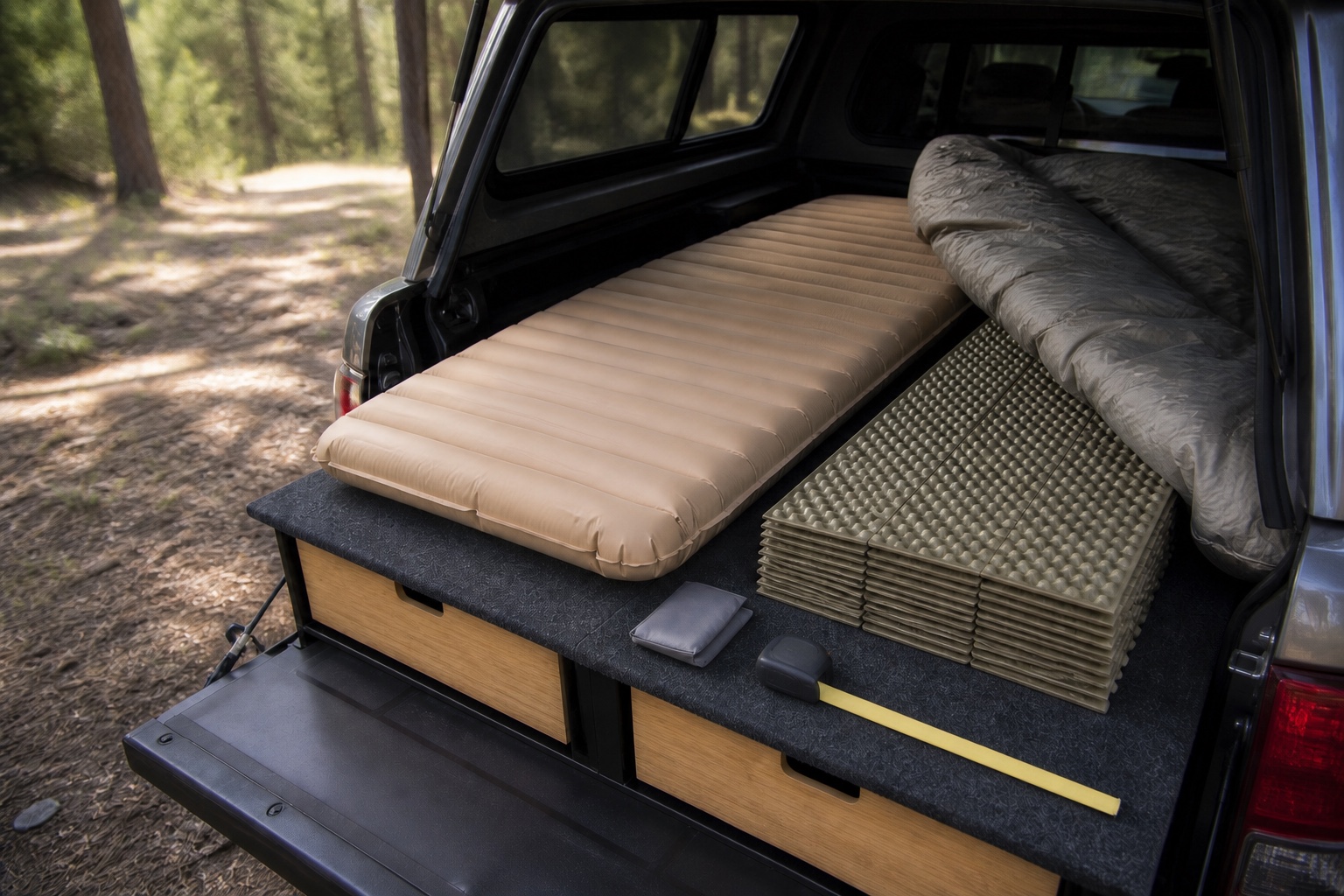
Start with the usable length and width of the real truck bed, canopy platform, cargo area, rooftop tent, or ground tent. Measure between wheel wells, storage boxes, hinges, door openings, and any tapered walls. Then compare those dimensions with the pad at its stated working size. A pad that fits on paper can still curl, block an exit, or crowd another sleeper when the platform is irregular.
Also check height. A thick pad can bring your face close to a canopy roof or reduce room to sit up. Two wide pads may overlap or leave a gap that matters more than a small insulation difference. If the layout carries two sleepers, mark both pad outlines with blankets or tape before buying. Choose the shape that fits the complete arrangement rather than the largest pad the vehicle can technically hold.
- Measure usable length, width, and overhead room.
- Include doors, latches, storage, and the second sleeper in the layout.
- Confirm the working size rather than the packed size.
- Skip any pad that blocks a safe exit or depends on permanent bending.
Choose the pad format by its tradeoffs
An insulated air pad can combine meaningful insulation with a compact packed shape. It also depends on inflation, a sound valve, and an intact air chamber. A leak can reduce both support and the working space that helps deliver its stated performance. This format suits campers who need cargo efficiency and are willing to protect the pad and carry the correct repair supplies.
A self inflating pad combines air with open cell foam. It is often bulkier than a compact air pad, but its foam can simplify setup and change how support feels. A closed cell foam mat is simple, quick to deploy, and resistant to a loss of air. Its tradeoffs are bulk, a firmer feel, and limited ability to tune pressure. A foam mat can also serve as a protective layer or backup when its size and verified insulation fit the plan. None of these formats is automatically best for every truck camper.
- Choose compact air construction when packed space is the hard constraint.
- Choose self inflating construction when setup feel and foam support earn the extra bulk.
- Choose closed cell foam when simplicity and puncture resistance matter more than a compact package.
- Compare the standardized insulation, dimensions, weight, and packed volume within each format.
Evaluate the full ownership routine
A good pad must work at arrival and remain manageable after the trip. Compare the valve instructions, inflation method, time required, pressure adjustment, deflation routine, packed size, storage guidance, repair kit, and maker support. A pump sack can reduce repeated breath inflation and may make a large pad easier to fill. A powered inflator adds speed only when the pad maker permits it and the pressure remains within instructions.
Protect an inflatable pad from splinters, sharp cargo edges, grit, and exposed hardware. Carry the repair materials specified for that pad and learn the steps before leaving service. Current NEMO care guidance advises drying pads with valves open and storing them flat or loosely rolled in a cool dry place. Its repair instructions also show why the included patch type and cure time matter. Follow the current instructions for the exact pad because materials and repair methods differ.
- Read inflation, pressure, cleaning, repair, and storage instructions before choosing.
- Inspect the platform and sweep away grit before setup.
- Pack the compatible patches where they can be reached at camp.
- Dry the pad fully before long term storage.
Build a shortlist around failure points
Put each candidate on one worksheet with the ASTM test basis, R value, working dimensions, thickness, packed dimensions, weight, construction, valve, inflation method, repair contents, warranty process, and current care guidance. Remove any pad that fails an essential fit or insulation requirement. Only then compare comfort features and price. This keeps an attractive surface or oversized design from hiding a poor match for the vehicle.
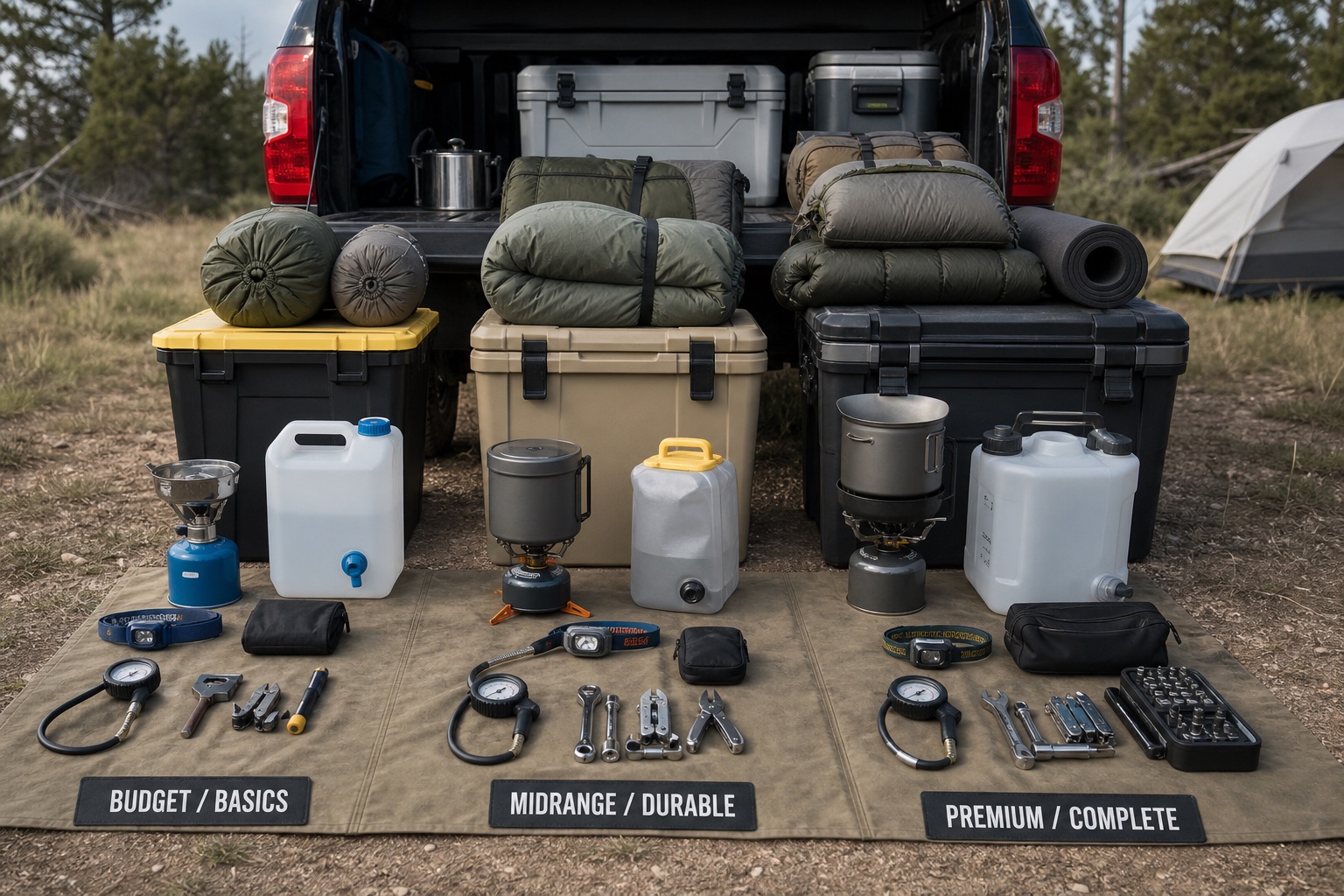
Pay more when the extra cost solves a repeated problem such as limited storage, frequent cool weather use, difficult inflation, or a need for better repair support. A modest pad can be enough for mild trips near services when its verified insulation and complete system leave margin. Premium construction cannot replace suitable dimensions or a conservative weather plan. The buying strategy guide can help decide when lower packed volume or easier ownership earns an upgrade.
- Eliminate options that fail insulation, fit, or repair requirements.
- Compare price only after the essential checks pass.
- Practice inflation, pressure adjustment, deflation, and packing at home.
- Recheck the valve, pad surface, repair kit, and forecast before departure.
Verify the system on an easy first night
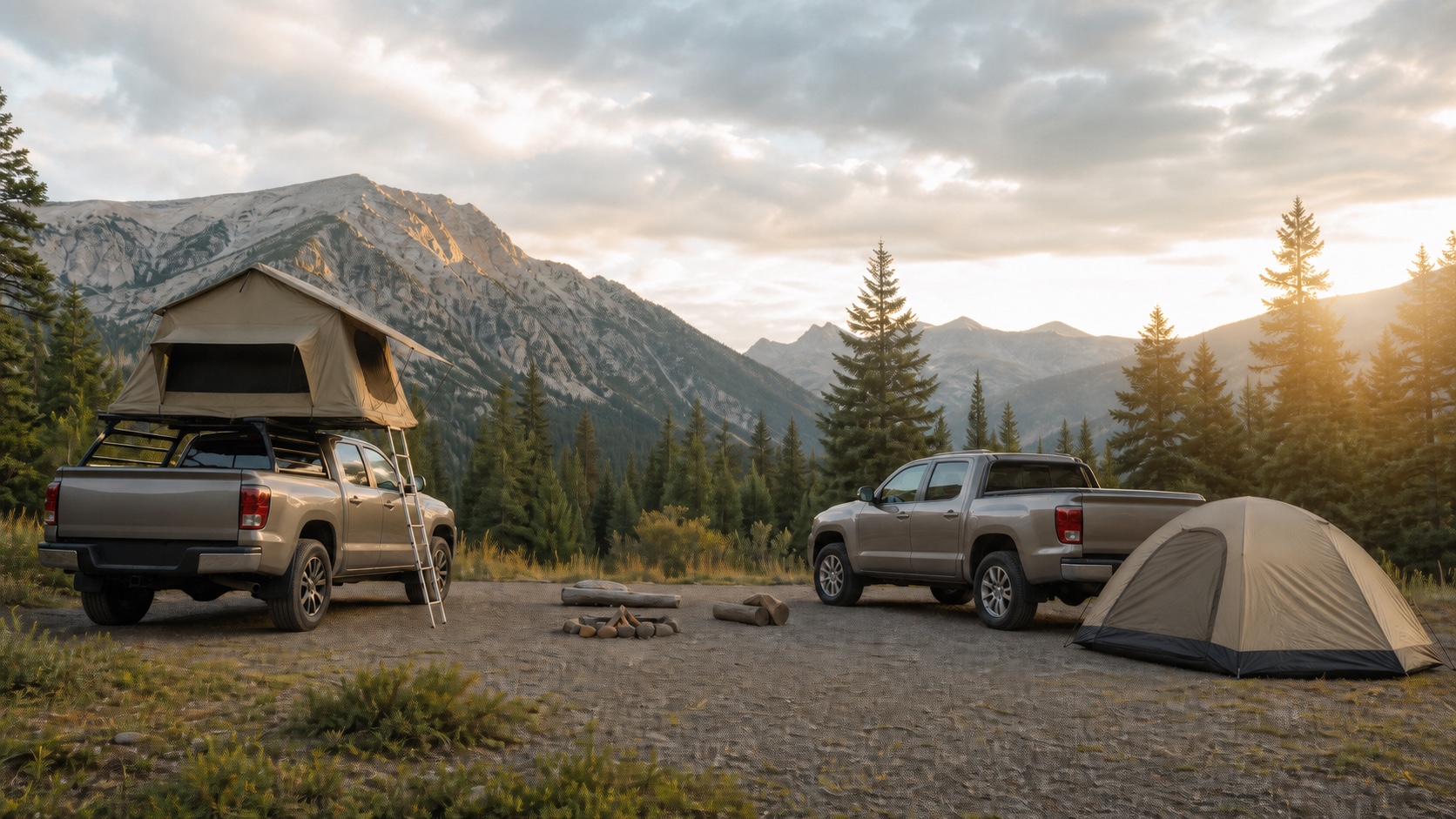
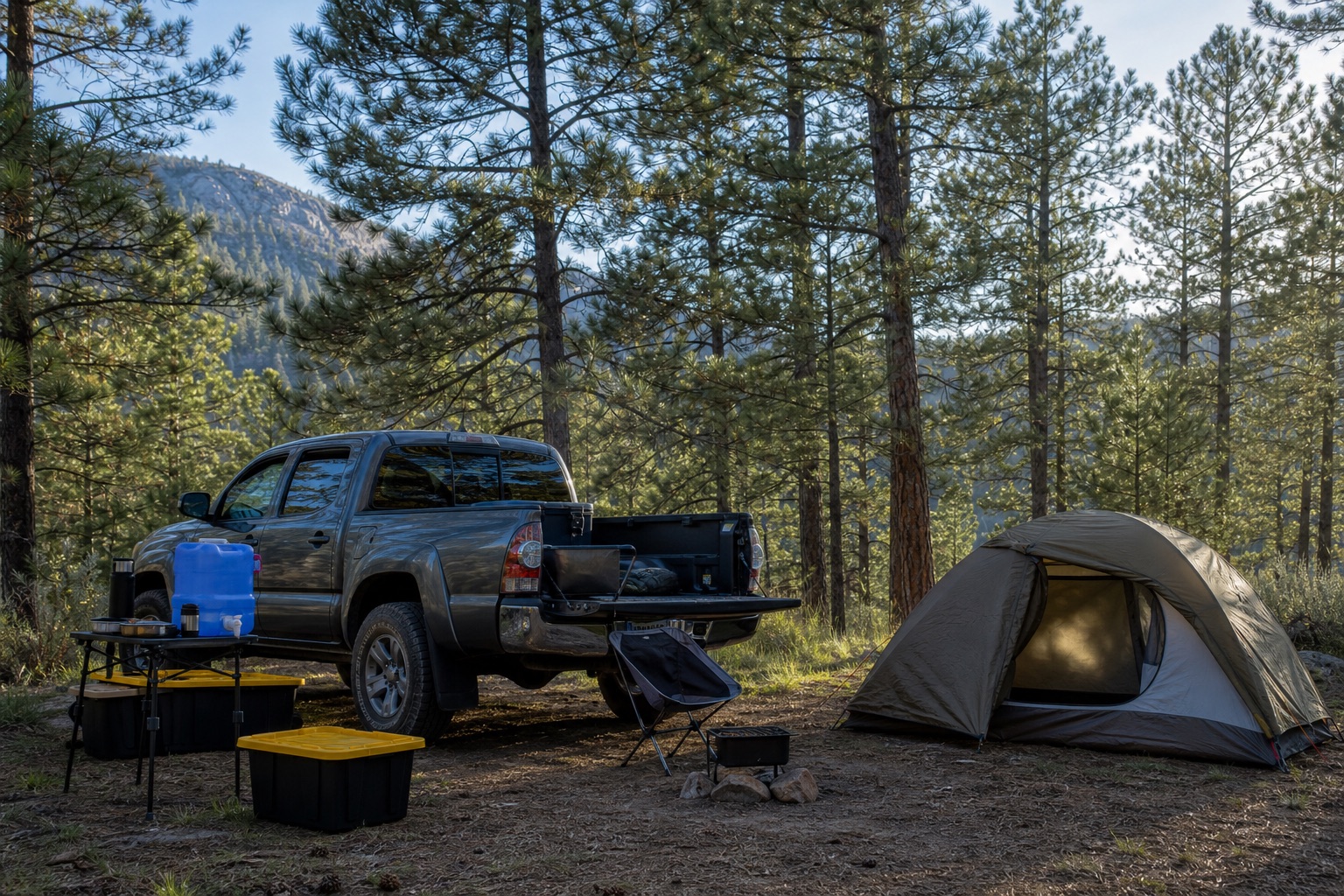
Use the first trip to learn where the consequences stay low. Pick familiar conditions near a simple exit and avoid treating one forecast as certain. Set up before dark so there is time to adjust pad pressure, remove sharp items, manage gaps, and keep sleep clothing dry. If the platform or weather no longer matches the plan, move to safer shelter or end the test.
After the trip, record the weather, shelter, pad, sleeping bag, clothing, and how the complete system felt. That note helps refine the next choice without turning one night into a promise for another person or a harder trip. The sleeping bag rating guide explains the upper half of the system in more detail, while the shelter comparison helps choose where that system will be used.
- Begin in conditions that leave room to revise the plan.
- Bring a dry backup without assigning it a fixed temperature gain.
- Do not use a flame or unapproved heater to rescue an inadequate sleep setup.
- Record what changed before extending the plan to colder or more remote trips.